Whether you’re tucking into a plate of grilled octopus by the sea, sharing meze in a lively little taverna, or grabbing a souvlaki from a street corner, eating out in Athens is as much about the experience as it is about the food.
But if you’re new to the city, you might have a few questions about how things work. Here’s your complete guide to dining in Athens, from ordering and etiquette to bills, tipping and local quirks.
When do Athenians eat?
First things first: Greeks eat late. Lunch rarely starts before 2pm, and dinner is often a leisurely affair that begins after 8pm, especially in summer.
If you turn up at a taverna at 6pm, you’ll probably have the place to yourself, which some people prefer – you can linger over your meal for hours, and no one will rush you out the door.
Types of eateries
Athens is packed with different types of eateries, each with its own vibe:
- Tavernas are the classic choice for traditional Greek food. Expect a relaxed atmosphere, paper tablecloths, and a menu full of grilled meats, stews, salads and meze.
- Ouzeries specialise in small plates (meze) and, of course, ouzo. These are great for grazing and sharing with friends.
- Psistarias focus on grilled meats, especially souvlaki and lamb chops.
- Estiatorio is a more formal restaurant, often with a wider menu and a slightly higher price tag.
- Bakeries and street food stalls are everywhere, perfect for a quick snack or breakfast on the go.
How service works
In Athens, most restaurants and tavernas operate with a designated waiter or waitress system. When you’re seated, you’ll usually be “assigned” to a specific member of staff who will take your order, bring your food and handle your bill.
It’s best to place all your orders, requests and questions with your designated server, rather than flagging down just anyone passing by. This helps avoid confusion and ensures your table’s orders are managed smoothly.
How to order
Menus are usually available in English, especially in central Athens and tourist areas. Almost every member of staff at every restaurant in Athens speaks English, so if you’re not sure what to choose, don’t hesitate to ask your server for recommendations.
One important note – here, it’s much more common to order a selection of dishes for the table to share, rather than individual starters and mains. That way, everyone gets to try a bit of everything.
Bread and water
It’s standard practice in Athens for bottled water and a basket of bread to be placed on your table as soon as you sit down, often without you asking. Water’s usually placed on tables quickly at all types of café, bar and eatery because venues know people have been walking around and will be thirsty.
Usually it’s tap water in a glass bottle, but some restaurants or tavernas might give you normal bottled water, and neither that or the bread is usually complimentary. The charges aren’t crazy, but if you don’t want them, let your server know right away or they’ll be added to your charge at the end of the meal. Otherwise, enjoy them as part of the Greek dining experience.
House wine and wine by the kilo
Most tavernas serve house wine by the carafe, and it’s usually good value. You can order it by the quarter, half or full litre, and sometimes you’ll hear it referred to as “wine by the kilo.” Don’t be surprised if you’re asked how much you want in kilos – just specify a half or full litre.
The wine is usually decent, affordable and perfect for sharing with friends over a long meal. Don’t expect fancy labels – it’s often made locally and served in a simple jug. If you’re feeling adventurous, try ouzo or tsipouro, two traditional Greek spirits that pair perfectly with meze. Beer’s also popular, with local brands like Mythos, Fix and Alpha widely available.
Eating like a local
Greeks love to share. Meals are social occasions, and it’s normal to order several dishes for the table. Start with a few meze (small plates) like tzatziki, fava, fried courgettes or saganaki cheese, then move on to grilled meats, seafood or a hearty stew.
Greek salad is a staple, and you’ll often find chips (fries) served alongside almost everything. If you’re on a budget, a Greek salad, some fries and a meat dish between two people will go a long way.
Don’t be surprised if your food arrives as it’s ready, rather than all at once. The idea is to enjoy a steady flow of dishes, conversation and drinks.
Tipping in Athens
Tipping isn’t compulsory, but it’s always appreciated. In most tavernas and casual restaurants, rounding up the bill or leaving a euro or two per person is perfectly acceptable. In more formal restaurants, a tip of 5-10% is generous.
If you pay by card, it’s best to leave cash for the tip, as there’s not always an option to add it to the bill.
Asking for the bill
In Greece, the bill won’t be brought to your table until you ask for it. This isn’t bad service – it’s a sign that you’re welcome to linger as long as you like. When you’re ready to pay, catch your server’s eye and say “to logariasmo, parakalo” (the bill, please).
Sometimes, a waiter’s shift might end shortly after serving you, and as each waiter is responsible for collecting their tables’ payments, they may ask you to pay right after your meal so it goes onto their record and doesn’t get allocated to another staff member – don’t worry though, you can still stay as long as you like after paying.
Your right as a customer
It’s a legal requirement in Greece for restaurants to provide an itemised bill (apodeixi) that lists everything you’ve ordered, with prices and VAT included. Always ask for this before you pay, especially if you’re in a busy tourist area.
Not only does it protect you from being overcharged, but it also ensures the restaurant is following the law. If you’re handed a handwritten note or just told the total, politely insist on a proper printed receipt.
Paying by card or cash
Most places in Athens accept credit and debit cards, but it’s always wise to carry some cash, especially in smaller neighbourhood tavernas or markets. If you’re paying by card, let your server know when you ask for the bill.
Contactless payment is widely available, and you can even use your phone or smartwatch in many places.
Dietary needs and allergies
Greek cuisine is naturally friendly to vegetarians, with plenty of salads, vegetable pies, pulses and cheese-based dishes. If you have allergies or specific dietary needs, let your server know – most are happy to accommodate, and menus often highlight common allergens.
After dinner
Athenians love to eat late, and many restaurants and tavernas stay open well past midnight, especially on weekends. After dinner, it’s common to move on to a café or bar for a drink, or even to a patisserie for something sweet. Heading for a scoop of ice cream after a meal is also popular.
More about Athens

7 of the best-rated hotels in central Athens
Choosing the right hotel can make all the difference to your stay in Athens. Here are some of the city’s best-rated stays.

The 5 best rooftop bars in Athens
What could be better than sipping a cocktail at sunset? Here are the five best rooftop bars with Acropolis views in Athens.

7 must-try ice cream stops in Athens
Greek ice cream and gelato is some of the best in the world. From classic Greek flavours like kaimaki to soft-serve pistachio…
Athens neighbourhood guide | the centre
The centre of Athens is much more than the Acropolis. Here’s our guide to every neighbourhood in central Athens in 30 seconds!

What’s the closest beach from Athens?
If you’re craving a swim but don’t feel like a long journey, Edem Beach and Batis Beach in Palaio Faliro are your…
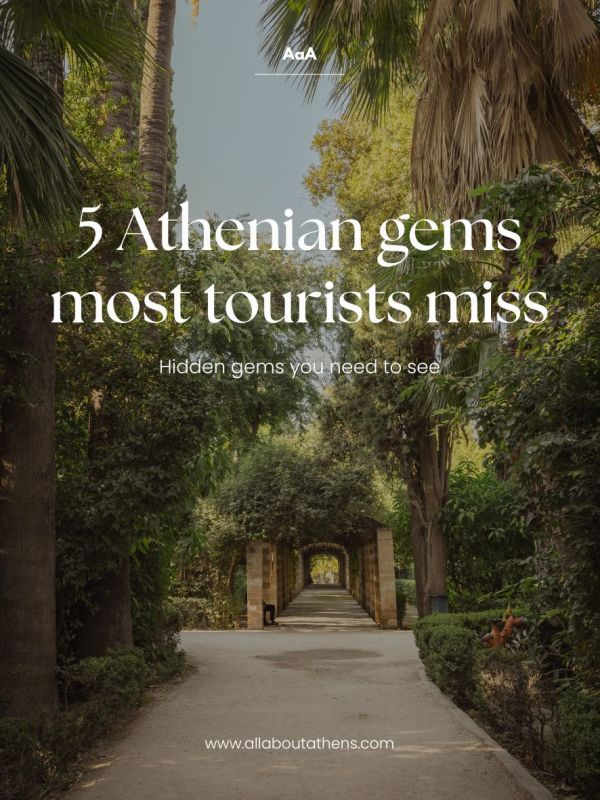
5 Athenian gems that most tourists miss
Look beyond the obvious and you’ll find a city full of surprises – here are 5 hidden gems that most tourists usually…

Mistakes tourists make in Athens | part 2
Here’s part 2 of our list of common mistakes tourists make when visiting Athens – avoid them and you’ll have a better…

Athens neighbourhood guide | the east
The east of Athens is a mostly residential area stretching from the city’s edge towards Mount Hymettus – here’s our 30-second guide.

Getting from the airport into Athens
Should you take a taxi, bus or metro to central Athens from the airport? Here’s a complete guide, with times and prices.

The 7 easiest islands to visit from Athens
Athens is the perfect base for exploring the Saronic and Cycladic islands – here are 7 that are easy to visit from…

5 of my favourite bars in Athens
Over the years I’ve been living here, I’ve found myself returning to a handful of bars – here are my 5 favourites…

Athens neighbourhood guide | the west
The West of Athens is often overlooked but full of local flavour. Here’s our guide to every Western-Athenian neighbourhood in 30 seconds.
Something went wrong. Please refresh the page and/or try again.



 All about Athens