The rise of Airbnb and other short-term rental platforms has given travellers more options than ever, but here’s why you should choose a hotel over an Airbnb when you’re visiting the city.
1. Supporting the local economy and jobs
Hotels are a major source of employment in Athens. From receptionists and housekeepers to kitchen staff, maintenance workers and concierges, hotels provide stable, regulated jobs for thousands of Athenians. When you stay in a hotel, you’re helping to support these workers and their families.
Airbnbs, on the other hand, are often managed by absentee owners or companies, with little or no local staff involved. The money you spend on a hotel room circulates through the local economy, while Airbnb profits often end up in the pockets of investors or landlords who may not even live in Greece.
2. Hotels pay taxes and contribute to public services
Hotels in Athens are subject to strict regulations, business taxes, and tourism levies. They pay licensing fees, VAT, and contribute directly to municipal and national budgets. This money helps fund public services, infrastructure, and cultural preservation – things that benefit both locals and visitors.
While Airbnb hosts are now required to declare income and pay some taxes, enforcement is patchy and many short-term rentals still operate in a legal grey area. By choosing a hotel, you can be confident that your stay is helping to support the city’s services and future.
3. Hotels help keep housing available for locals
One of the biggest downsides of the Airbnb boom in Athens has been its impact on the local housing market. As more apartments are converted into short-term rentals, the supply of affordable housing for residents shrinks. This drives up rents and makes it harder for Athenians – especially young people and families – to find a place to live, and understandably, they’re furious.
In some central neighbourhoods, entire buildings have been turned over to tourists, hollowing out communities and changing the character of the city. By staying in a hotel, you’re not contributing to this problem, and you’re helping to keep Athens liveable for the people who call it home.
4. Better service, safety and reliability
Hotels in Athens are regulated, inspected, and held to clear standards of safety and cleanliness. You can usually expect daily housekeeping, late reception, secure entry, and professional staff who are trained to help with everything from lost luggage to medical emergencies.
If something goes wrong, there’s always someone on hand to help. With Airbnb, you’re often on your own if there’s a problem – whether it’s a broken air conditioner, a lost key or a last-minute cancellation. Hotels also have clear policies for hygiene, fire safety, and guest security, giving you peace of mind during your stay.
5. Local knowledge and personal recommendations
One of the joys of staying in a hotel is the access to local expertise. Receptionists and concierges are often happy to share tips on the best places to eat, hidden sights, or how to navigate the city’s public transport.
Many hotels offer maps, guidebooks and even curated experiences or walking tours. While some Airbnb hosts provide recommendations, it’s not the same as having a team of locals ready to help you make the most of your trip. If you want to discover the real Athens, a hotel is your best starting point.
6. More amenities and comfort
Hotels in Athens range from budget-friendly to boutique luxury, but even the simplest options usually offer more amenities than the average Airbnb. You’ll get daily cleaning, fresh towels, luggage storage, breakfast buffets, room service and sometimes even a rooftop bar or pool.
Most hotels have air conditioning, blackout curtains and soundproofing – essentials for a good night’s sleep in a lively city. If you’re travelling for work, reliable Wi-Fi and business facilities are a bonus. With Airbnb, what you see in the listing isn’t always what you get, and you might find yourself missing those little comforts.
7. No hidden fees or awkward surprises
Hotels in Athens are upfront about their prices and policies. You’ll know exactly what’s included, from breakfast to city taxes, and you won’t be hit with unexpected cleaning fees or requests to take out the rubbish before you leave.
With Airbnb, extra charges can add up quickly, and the rules can vary wildly from one property to another. There’s also less risk of last-minute cancellations, double bookings, or arriving to find your accommodation isn’t quite as advertised.
8. The joy of Greek hospitality
Finally, there’s something special about Greek hospitality, or “filoxenia.” Hotels in Athens take pride in welcoming guests, and you’ll often find little touches, like a welcome drink, homemade cake at breakfast, or a friendly chat at reception, that make your stay memorable. This warmth and generosity is at the heart of Greek culture, and it’s something you’re more likely to experience in a hotel than in a faceless rental.
Now, one caveat to that. If you’re in Athens for longer than a few weeks and one a tight budget, or you’re travelling with a large family or group, then yes – Airbnbs may be more appropriate for your stay. You can also look into Blueground properties which are of a very high standard. The issue with Airbnb usage is more around those who stay just a few nights.
More about Athens
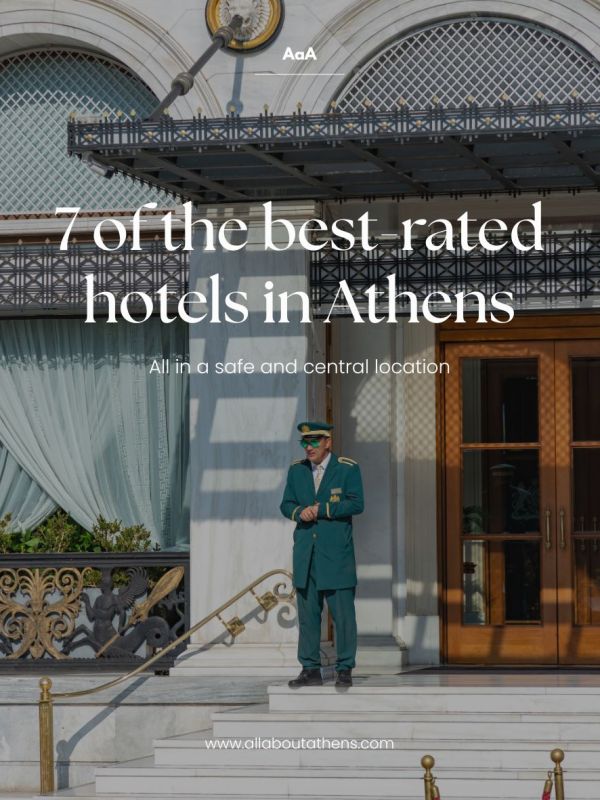
7 of the best-rated hotels in central Athens
Choosing the right hotel can make all the difference to your stay in Athens. Here are some of the city’s best-rated stays.

The 5 best rooftop bars in Athens
What could be better than sipping a cocktail at sunset? Here are the five best rooftop bars with Acropolis views in Athens.

7 must-try ice cream stops in Athens
Greek ice cream and gelato is some of the best in the world. From classic Greek flavours like kaimaki to soft-serve pistachio…
Athens neighbourhood guide | the centre
The centre of Athens is much more than the Acropolis. Here’s our guide to every neighbourhood in central Athens in 30 seconds!

What’s the closest beach from Athens?
If you’re craving a swim but don’t feel like a long journey, Edem Beach and Batis Beach in Palaio Faliro are your…
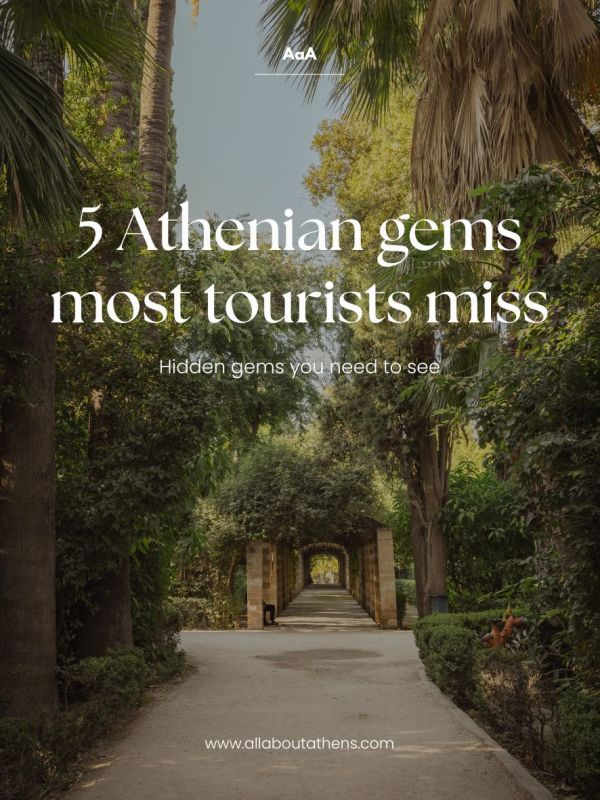
5 Athenian gems that most tourists miss
Look beyond the obvious and you’ll find a city full of surprises – here are 5 hidden gems that most tourists usually…

Mistakes tourists make in Athens | part 2
Here’s part 2 of our list of common mistakes tourists make when visiting Athens – avoid them and you’ll have a better…
Athens neighbourhood guide | the east
The east of Athens is a mostly residential area stretching from the city’s edge towards Mount Hymettus – here’s our 30-second guide.
Getting from the airport into Athens
Should you take a taxi, bus or metro to central Athens from the airport? Here’s a complete guide, with times and prices.
The 7 easiest islands to visit from Athens
Athens is the perfect base for exploring the Saronic and Cycladic islands – here are 7 that are easy to visit from…

5 of my favourite bars in Athens
Over the years I’ve been living here, I’ve found myself returning to a handful of bars – here are my 5 favourites…

Athens neighbourhood guide | the west
The West of Athens is often overlooked but full of local flavour. Here’s our guide to every Western-Athenian neighbourhood in 30 seconds.
Something went wrong. Please refresh the page and/or try again.

 All about Athens